




Upgrades
Tire and Rims
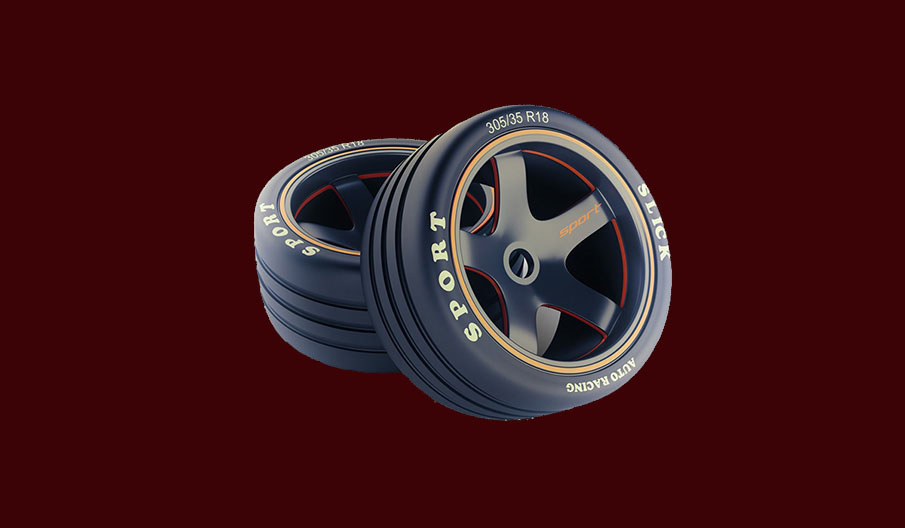
You cannot transmit your cars power and handling potential to the road without the right tires and rims. The stock tires on your car limit your track performance, no matter how you tweak your engine or suspension. Upgrading rims and tire compound, size, and profile improves cornering and braking performance.
- Front and Rear Rim SizeChoose larger rims and low-profile tires with shorter, more rigid sidewalls. These tires are less prone to deforming when acceleration and cornering forces increase. This improves traction by maintaining tread contact with the pavement.
- Front and Rear Tire WidthIn general, more rubber on the road means better traction and performance. Upgrading to larger, wider tires provides more contact area and thus more traction.You can use wider normal-profile tires to improve traction by enlarging the tire's contact patch on the pavement. Or you can choose larger rims and low-profile tires with shorter, more rigid sidewalls. These tires are less prone to deforming when acceleration and cornering forces increase. This improves traction by maintaining tread contact with the pavement.
- Rim StyleUpgrading rims can improve handling by decreasing the wheels’ unsprung weight and rotational inertia. This upgrade can also enhance performance by decreasing the overall weight of the car.
- Tire CompoundUpgrading to tires with a softer, more aggressive compound increases traction and improves the tires’ ability to maintain traction despite high heat, but also increases wear. The harder compound used in stock tires sacrifices grip to increase wear. These upgrades also make an audible difference.
- Front and/or Rear Track WidthA wider spacing between the front and/or rear tires can provide additional stability under lateral G force.
Drivetrain
Change how the engine’s power gets to the wheels to improve your cars acceleration and speed. Upgrades to components such as the transmission, clutch, differentials, and driveline can improve shift time and enable fine-tuning of gearing.
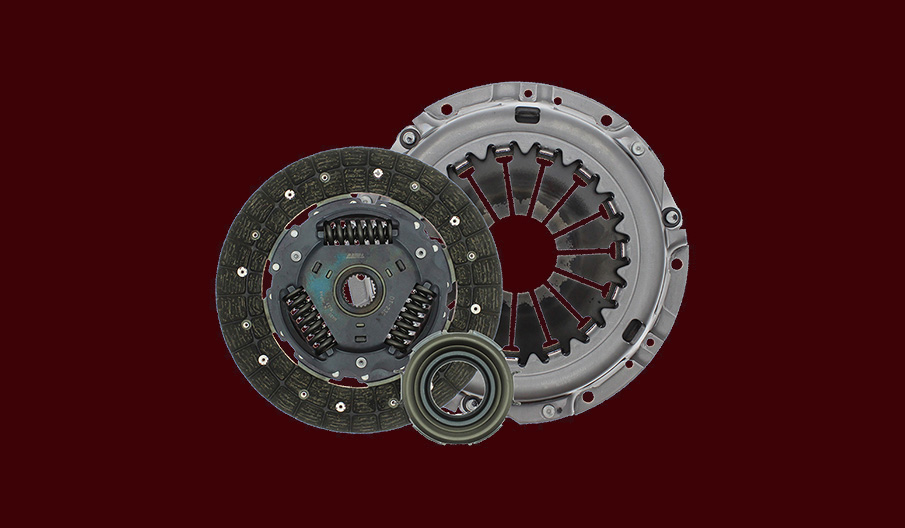
- ClutchThe clutch is the vital link between the engine and the transmission. Upgrades increase the clutch's ability to handle the extra torque of a racing engine without damage.
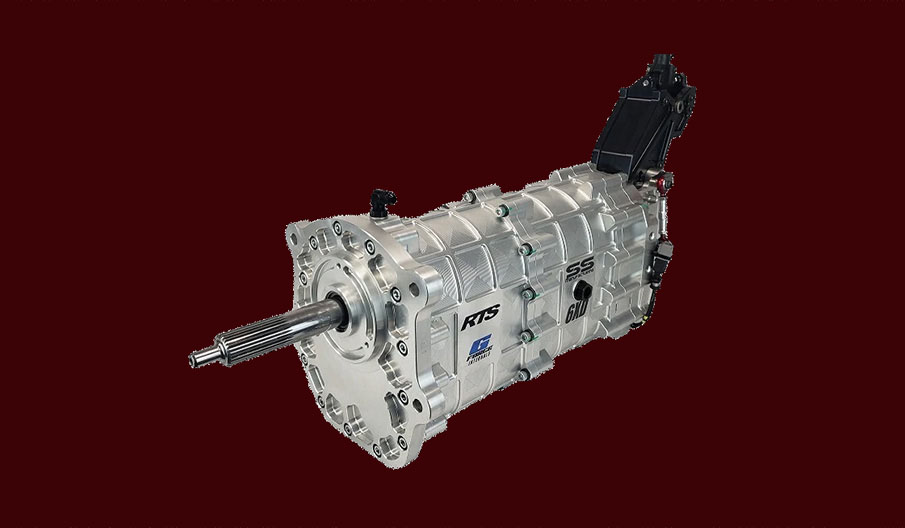
- TransmissionThe transmission transmits your car’s power from the engine to the drive wheels. Transmission upgrades can make shifts quicker and more efficient, reduce friction and power loss, and provide better durability. These upgrades also make an audible difference.
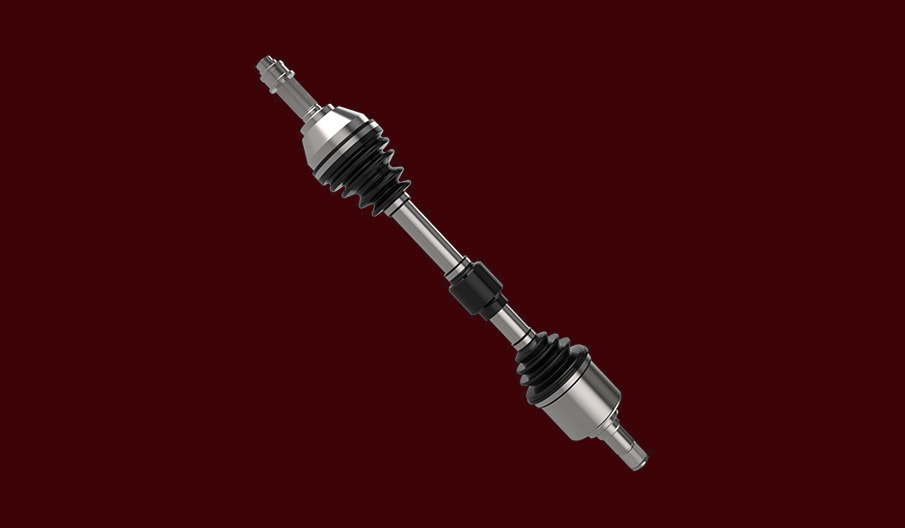
- DrivelineYou can improve throttle response and acceleration by decreasing the weight and inertia of driveline components, especially the driveshaft itself.
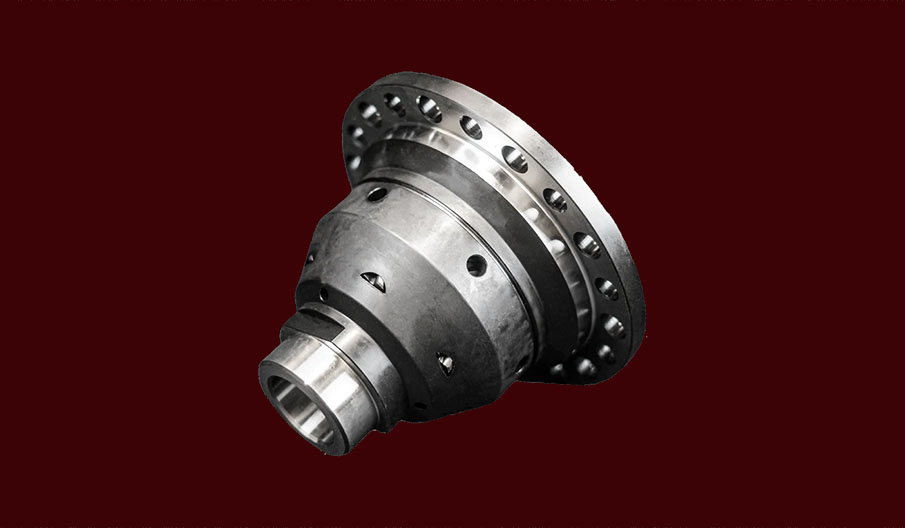
- DifferentialThe differential allows the tires on each side of the car to turn at different rates because the inside tire travels a shorter distance around a turn than the outside tire. A limited-slip differential locks at a preset point to limit this difference in rotational speed, providing maximum traction under acceleration and/or deceleration.
Platform and Handling
Platform and handling upgrades include better brakes and suspension. Combine several platform and handling upgrade types to get the most out of your chassis. These upgrades add up to better braking and cornering. But remember: race-winning performance calls for a balance between handling and power.
- Spring and DampersSprings and dampers can make a big difference in your car’s handling by maintaining optimum ride height and tire contact.
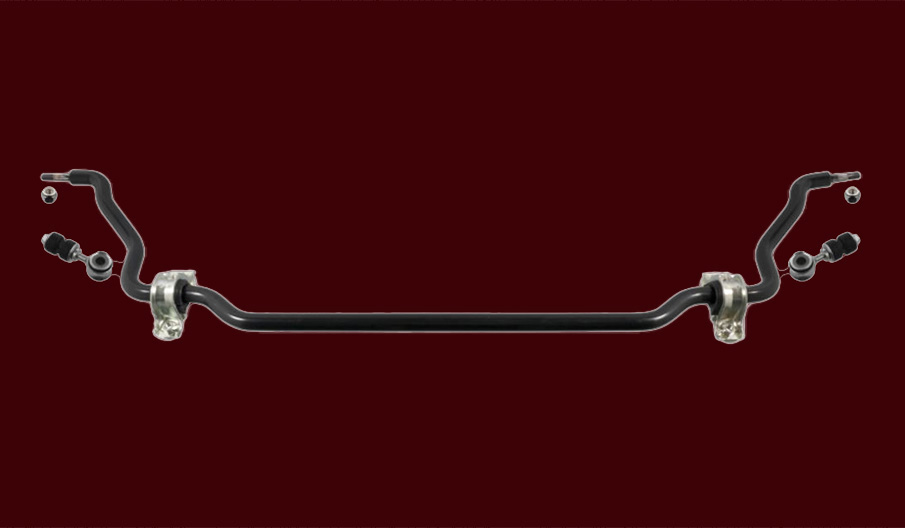
- Front and Rear Anti-Roll BarsFront and rear antiroll bars (also called antisway bars) provide extra stability when cornering. When you turn left or right, the car body tends to roll in the opposite direction. By tying the left and right sides of the suspension together, antisway bars make the car ride more level, keeping one side from rolling or swaying more than the other.
- Chasis Reinforcement / Roll CageChasis reinforcements stiffen the shell of the car, reducing flex when cornering, which in turn aid the suspension in keeping the maximum amount of tyre on the road.
- Weight ReductionA lighter car accelerates and handles better than a heavier one. Reducing weight by removing nonessential materials or replacing stock parts with lighter ones pays off on the track.
Engine
Engine upgrades can improve your car’s acceleration and speed. You can add a more aggressive cam, stiffer valve springs, improved intake, and exhaust systems as well as a turbo or supercharger to get more power out of your engine. Combine several engine upgrade types to get the most out of your engine. But remember: extra power alone will not win races. Winning performance calls for a balance between power and handling.
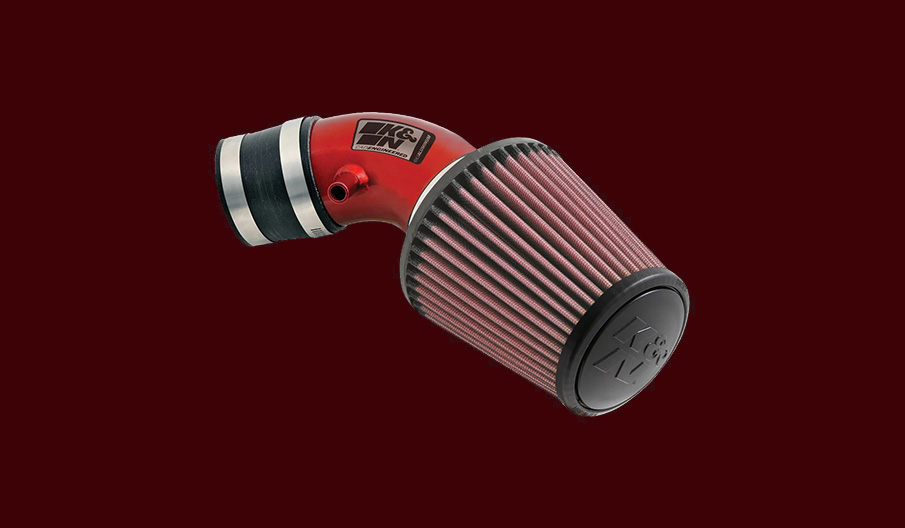
- IntakeIntake upgrades help the engine inhale more freely and provide a lot of bang for the buck. Less restrictive air filters and a tuned intake manifold allow more air into the engine, making more power.
- Fuel SystemFuel system upgrades can yield big power increase. They provide more efficient fuel flow, more precise timing, the ability to use higher-octane fuel, and they extract more power from the fuel you use. These changes can be as simple as installing a custom Engine Control Unit (ECU) chip or as complex as changing the fuel pump and tank, injectors, and fuel hoses.
- IgnitionIgnition upgrades help the engine burn fuel more efficiently to produce more power. Adding better coils, spark plugs, and ignition wiring can make a significant difference in engine power and car performance.
- ExhaustExhaust system upgrades such as improved headers, mufflers, bypasses, and large-bore tubing provide extra power for a relatively low cost. They let the engine exhale more freely and create more power by reducing back pressure and extracting exhaust gases more efficiently. These upgrades also make an audible difference.
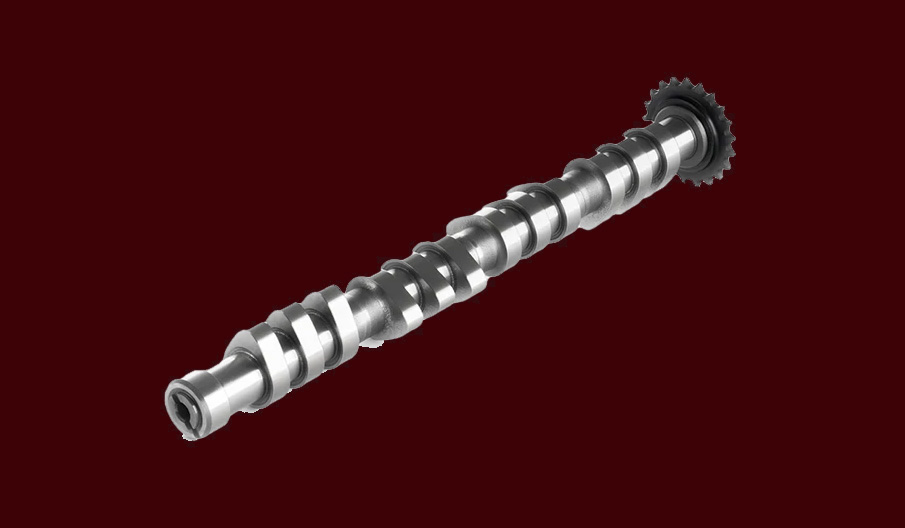
- CamshaftUpgraded cams let your engine breathe more freely and rev to a higher RPM, producing more torque and power. The result is a higher redline and more power in the high-RPM range.
- ValvesValves allow the air and fuel mixture to enter and exit the engine. Upgrading these allows for more airflow, increasing power.
- Pistons/CompressionUpgrading pistons allows for high compression ratios, increasing power.
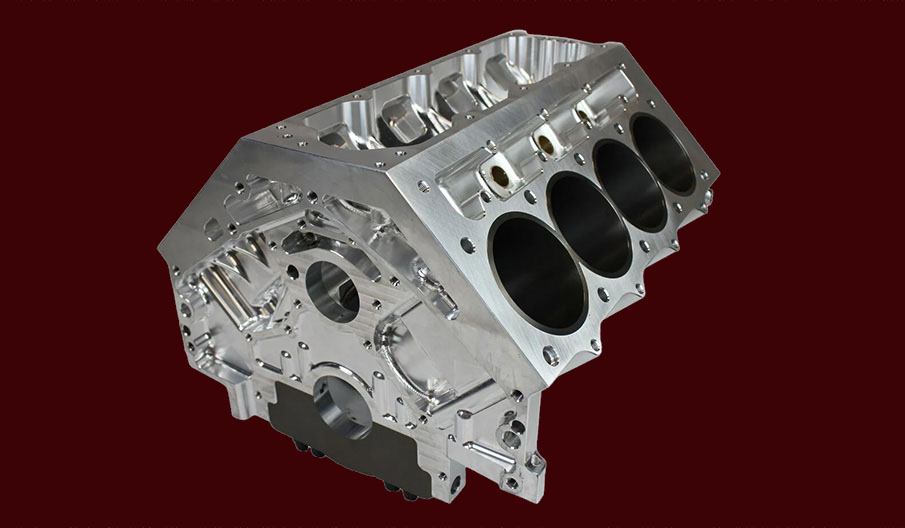
- DisplacementDisplacement upgrades make the engine more durable and less damage-prone. They can also reduce friction/inertia and increase displacement/compression to make the engine more powerful and responsive.
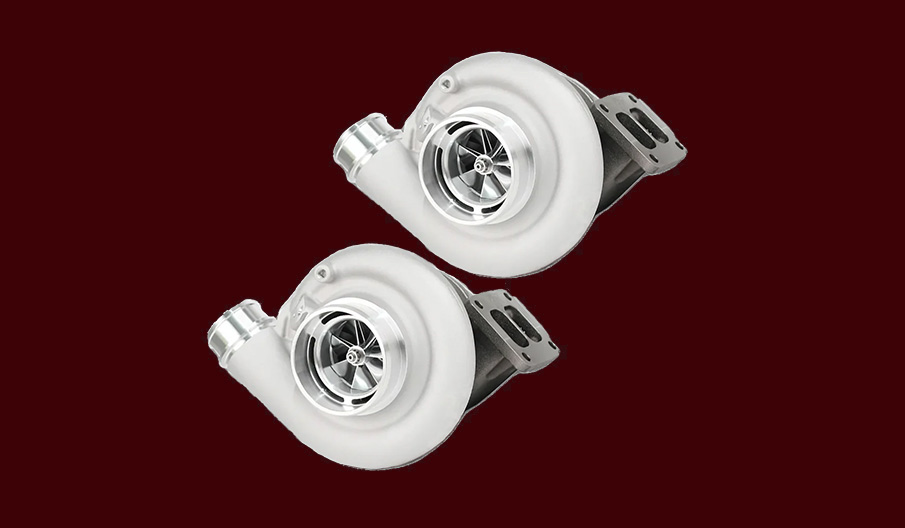
- Twin TurboA turbocharger provides a major power increase by using exhaust gases to spin a turbine that compresses the air-fuel mixture and forces it into the engine at more than atmospheric pressure. The result is more energy per stroke, which makes more power. These upgrades also make an audible difference. Two are usually better!
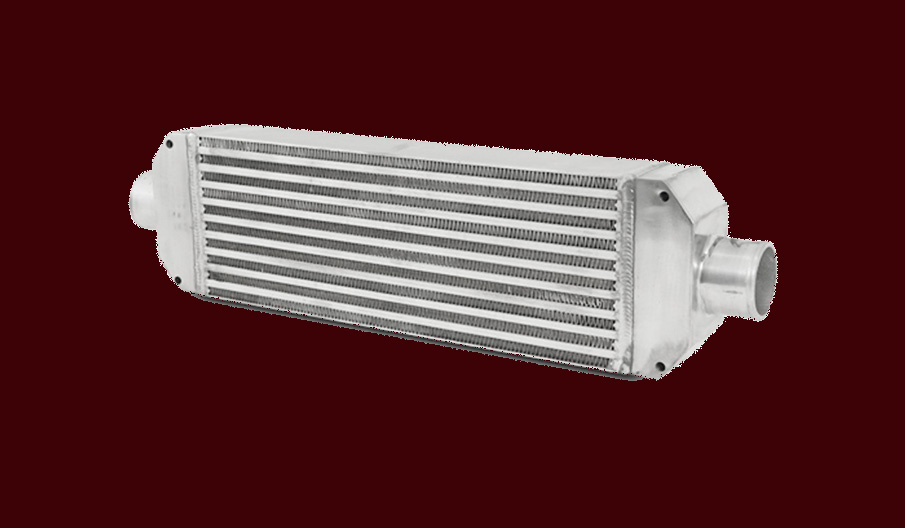
- IntercoolerAn intercooler is a small radiator that cools the hot air from a turbocharger or supercharger before it is forced into the engine. This makes the air-fuel mixture cooler, and therefore more dense, packing more energy per stroke.
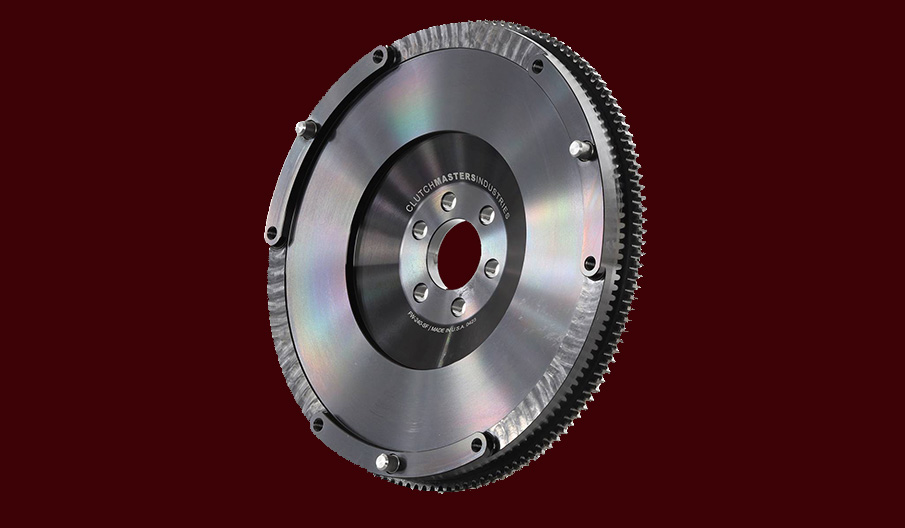
- FlywheelFor a stock car, the rotating mass of the flywheel smoothes and steadies the rotation of the driveshaft, but it decreases throttle response and acceleration. Upgrading to a lighter-weight flywheel lets the engine respond to the throttle more quickly and increase RPM faster, providing better acceleration.